


Collection:
Electronic wiring


SBG Ellipse USB to RS-232 Cable - 3 m
Ref : CA-ELI-USB-3M
Choose your option


FAX-5 Active antenna FAX5 for FAX 30/410 without whip + 15m cable
Ref : 00001170200
Choose your option


RJ45 female to BlueNet female network adapter
Ref : 010-12531-11
Choose your option
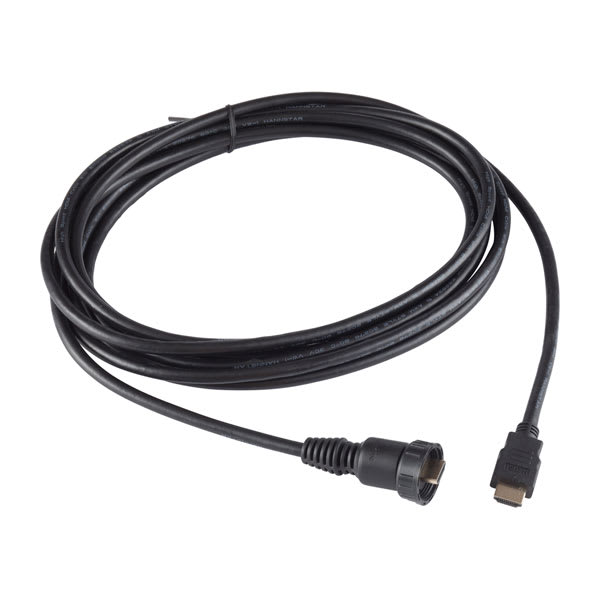
High-speed HDMI cable for GPSMAP
Ref : 010-12390-22
Choose your option

BlueNet™ marine network cable, 1.8 m / 6 ft
Ref : 010-12528-30
Choose your option


Power cable GP1871F and GP1971F
Ref : 00153325000
Choose your option


30m TNCP-TNCP-3DHR cable for NX9HE antenna
Ref : 00164804000
Choose your option

FRU-CF-H16-02M POWER CABLE — FCV800
Ref : 00164108000
Choose your option


FURUNO FRU-0505-FF-IS Female/Female inline termination connector NMEA2000
Ref : 00107783010
Choose your option

FI-50-CHAIN-0.3M NMEA2000 Micro5C right-angle 5-pin M/F cable - 30cm
Ref : 00110582010
Choose your option


Data Cable (7PF<->Nu) 5m
Ref : 00015968811
Choose your option


Raymarine R70523 power cable for Element / Axiom straight 1.5 m with NMEA2000 connector
Ref : R70523
Choose your option

N2K Starter Kit
Ref : 000-0124-69
Choose your option

SimNet cable to Micro-C 0.5 m
Ref : 24005729
Choose your option

NMEA 0183 with audio cable
Ref : 010-12852-00
Choose your option

CAN to NMEA 2000 adapter cable without isolation
Ref : 010-12575-00
Choose your option

BlueNet™ to RJ45 network adapter cable
Ref : 010-12531-02
Choose your option

USB-C to micro-USB adapter cable
Ref : 010-12390-13
Choose your option

Y-cable for 12-pin/4-pin dual transducer
Ref : 010-12234-05
Choose your option

8-pin to 12-pin transducer adapter for fishfinder (with XiD)
Ref : 010-12122-10
Choose your option

Extension cables for Garmin 12-pin scanning transducers, 1.3 m (4.3 ft)
Ref : 010-11617-44
Choose your option

Mechanical/hydraulic interconnect cable with SmartPump
Ref : 010-11351-40
Choose your option

NMEA 2000 termination - Male
Ref : 010-11080-00
Choose your option

NMEA 2000 "T" connector
Ref : 010-11078-00
Choose your option

NMEA 2000 backbone/tap cable (10m)
Ref : 010-11076-02
Choose your option

NMEA 2000 backbone/drop cable (2 m)
Ref : 010-11076-00
Choose your option

ECU power cable with threaded collar
Ref : 010-11057-30
Choose your option

Cigarette lighter cable (NMEA 0183 socket)
Ref : 010-10085-00
Choose your option

ActiveTarget 10ft (3m) Extension Cable
Ref : 000-16069-001
Choose your option

Power cable for Hook2, Hook Reveal & Cruise
Ref : 000-14172-001
Choose your option


STNG cable branch to Raymarine SPX or ACU molded plug
Ref : R12112
Choose your option

Skysat
RG223/U coaxial cable
Ref : 050156
Choose your option


RayNet to RJ45 Cable - 10m
Ref : A80159
Choose your option


SeaTalk NG power cable
Ref : A06049
Choose your option


SeaTalk NG branch 3 meters
Ref : A06040
Choose your option
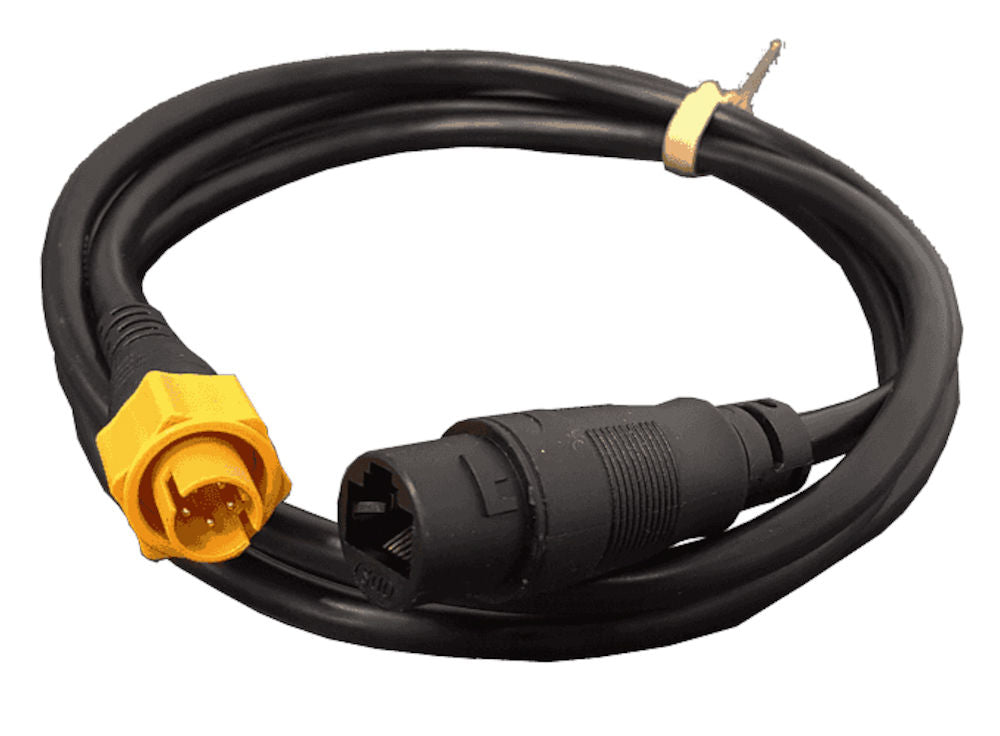
RJ45 Ethernet Adapter Cable for Halo Dome Radar
Ref : 000-14552-001
Choose your option
Learn more
Cabling: the invisible art of onboard connection
Cabling is the backbone of any onboard electronic system. A well-designed and properly installed cable network is essential to ensuring the reliability and performance of your navigation, communication, and entertainment equipment. At Skysat, drawing on our experience in offshore racing, we offer a carefully curated selection of cables, connectors, and accessories for a durable and high-performance installation. Here you'll find proven solutions to meet all your needs, from simply connecting an instrument to setting up a complex NMEA 2000 network.
Choosing the right cable: the importance of specifications
Selecting the right cable is crucial. Marine environments (humidity, vibration, corrosion) demand specific materials and construction. The cable type (power, data, video) also influences the choice, as do the length and cross-section required to prevent voltage drop and ensure optimal signal transmission. Compliance with standards (RoHS, CE) guarantees quality and safety.
- Marine power cables: Designed to resist corrosion and vibration, with reinforced insulation for added safety. Check the maximum amperage rating and the appropriate cable cross-section based on the connected load.
- NMEA 2000 cables: Essential for communication between instruments and compatible displays. Choose NMEA 2000 certified cables for guaranteed interoperability.
- Ethernet cables: For connecting radars, IP cameras, and other devices requiring high data rates. Shielded cables (FTP or STP) are recommended to minimize interference.
- Coaxial cables: For VHF, AIS and GPS antennas. The impedance (50 ohms) must match that of the antenna and the transceiver to avoid signal loss.
Connectors and accessories: a reliable and durable connection
The quality of the connectors is just as important as that of the cables. Corroded or poorly crimped connectors can lead to failures and malfunctions. Choose waterproof and corrosion-resistant connectors suitable for marine environments. Appropriate tools (crimping pliers, wire strippers) are essential for making clean and durable connections.
- Waterproof connectors: Provide protection against moisture and water splashes. Deutsch DT connectors are particularly valued for their robustness and watertightness.
- Terminal blocks and connection strips: Facilitate power distribution and cable connections. Choose models with vibration protection.
- Heat shrink tubing: Protects and insulates electrical connections. Choose tubing with internal adhesive for optimal sealing.
- Cable ties and fasteners: To secure cables and prevent them from dragging or tangling. Use UV-resistant ties for increased durability.
the importance of structured cabling
Well-organized wiring makes maintenance and troubleshooting easier. Use labels to identify each cable and connection. Group cables by function and use cable trays to protect them from chafing and damage. A clear and accurate wiring diagram is essential for documenting the installation.
- Cable trays: Protect cables from friction and mechanical damage.
- Cable markers: Facilitate the identification of cables and connections during maintenance.
- Electrical diagrams: They document the installation and facilitate troubleshooting. A clear and precise diagram is essential.
- Junction boxes: Allow connections to be grouped together and protected from the elements.
💡 Skysat's advice
Before beginning any wiring work, disconnect the power supply. Then test each connection with a multimeter to check for continuity and the absence of short circuits. Paying close attention to the quality of the crimping and the sealing of the connectors will ensure the longevity of your installation.


