


Collection:
Navigation light accessories

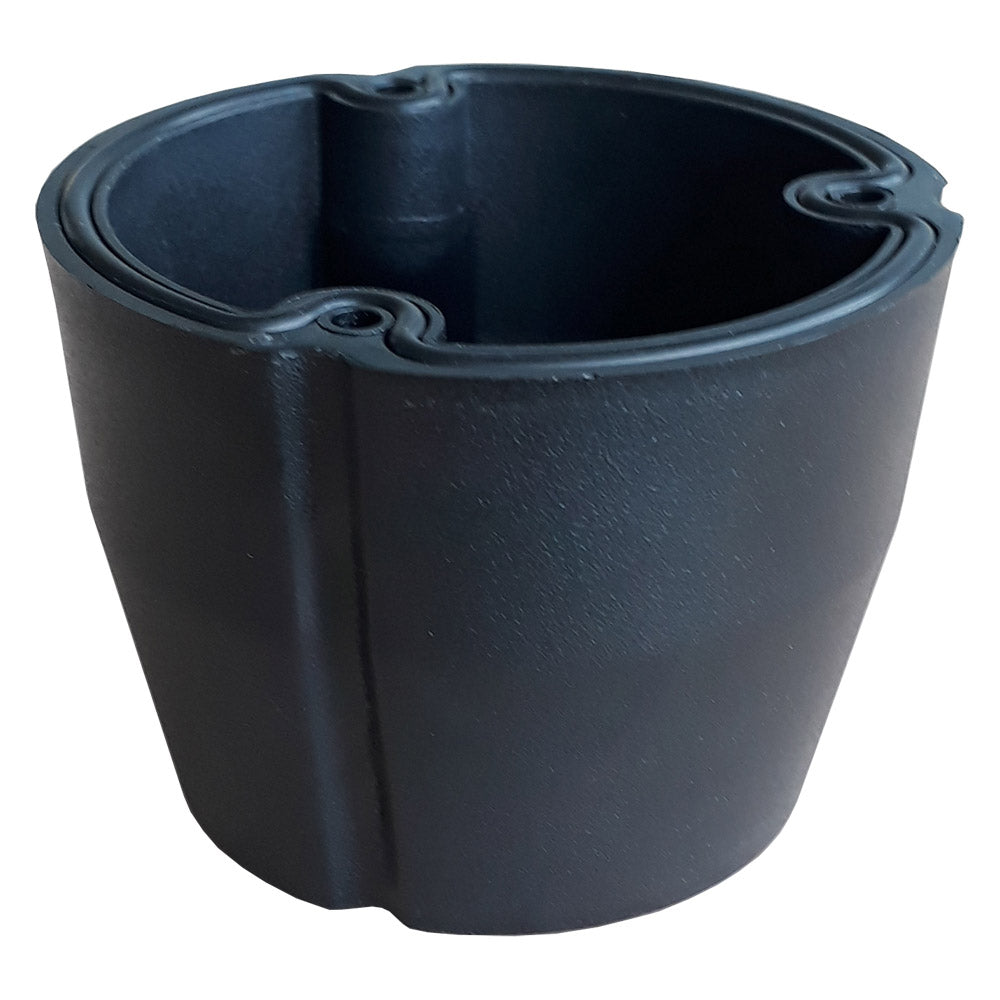
Top cover for horizontal navigation light - flush deck mounting
Ref : 00079
Choose your option
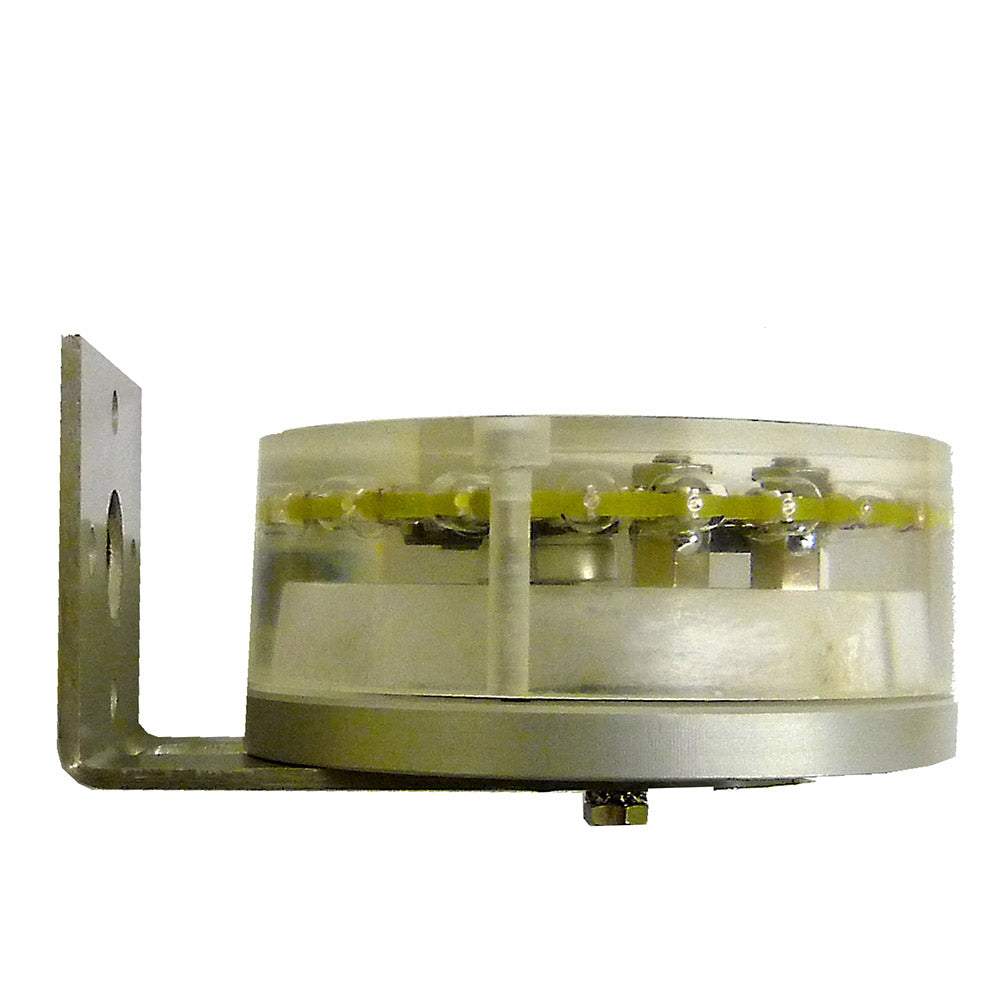
Horizontal mounting bracket
Ref : 00074
Choose your option

Choose your option
Stainless steel mast bracket
Ref : 00009
Choose your option
Learn more
Navigation light accessories: mounting, protection, and replacement
Navigation light accessories allow correct installation of a light, adaptation to its mount, or replacement of a worn mounting part. They do not replace the choice of the light itself, but they often determine the actual quality of the installation: stable orientation, clean attachment, shock protection, compatibility with the mast, deck, or cockpit.
This collection includes Mantagua accessories to complete or redo a navigation light installation. It features mounting bases, top covers, stainless steel supports, and dedicated supports for certain masthead installations. The right accessory depends on the light model, its position, mounting surface, and the boat’s mechanical constraints.
Properly mounting a horizontal light
The Mantagua horizontal light base creates a suitable mounting base for horizontal lights from the brand. It is useful when the light cannot be placed flat directly, when an existing installation needs to be upgraded, or when better control of height and support stability is required. This is typically a part to check during a refit, as a functional light can remain misaligned if its base is damaged, deformed, or improperly secured.
Before ordering a base or support, verify the exact light type, available diameter, screw spacing, mounting surface, and cable routing. A mechanically compatible support is not always sufficient: the light’s orientation must also comply with its function, especially for side lights, stern lights, masthead lights, or combined lights.
Protecting and adapting the installation
The Mantagua top cover for flush-mounted horizontal light protects or finishes the integration of a flat-mounted light. This type of accessory is useful when the light is exposed to handling, sheets, minor impacts, or water spray. It also helps maintain a cleaner visual appearance, especially on decks or visible mounts.
For edge or stainless steel structure mounts, the Mantagua stainless steel edge support addresses another need: creating a solid attachment on a vertical surface or structural component. On a cockpit, transom, fitting, or specific mount, check available thickness, screw access, vibration resistance, and galvanic corrosion protection.
Masthead supports and related accessories
The Mantagua Windex support applies to installations where multiple devices share the masthead area. In this zone, the challenge is not just securing a part: it involves avoiding conflicts between wind vanes, antennas, lights, cables, and any existing supports. A poorly placed accessory can obscure a light sector or interfere with navigation equipment.
For new installations, plan accessories alongside the lights. For replacements, start from the existing setup: old screws, drill holes, sealant traces, cable routing, and available space. This avoids ordering a part that fits on paper but is difficult to install cleanly aboard.
Pre-installation checkpoints
Always verify that the accessory matches the light model and intended mounting type. Horizontal, vertical, pedestal, or flush lights have different constraints. Fasteners must suit the mount, sealing must be properly restored, and cables must be protected from chafing. In exposed areas, an overly flexible mount often loosens over time due to vibrations.
Do not alter a light’s orientation to compensate for a poorly chosen accessory. Light sectors must remain readable from outside the boat. If an accessory forces an angle or position that obscures part of the light, revise the support rather than accept a sloppy installation.
Complementary collections
To pair the accessory with the correct light, also see the navigation lights, side lights, stern lights, masthead lights, anchor lights, and combined lights collections. The accessory must follow the light’s function, not the other way around.
Skysat advice
Before replacing an accessory, measure the existing installation and identify the light mounted aboard. Check drill holes, cable position, support condition, and available space around the light. A small mounting part can determine the final quality of the installation: it must be stable, compatible, and accessible enough for maintenance.


