


Collection:
Alternators


Multi-groove pulley (8) Ø 48.1 mm
Ref : 48420170
Choose your option


Alpha Compact 28/150 alternator, Alpha Pro III regulator included
Ref : 46628150
Choose your option

Alpha 24 V 150 A EVO Alternator
Ref : 48224152
Choose your option
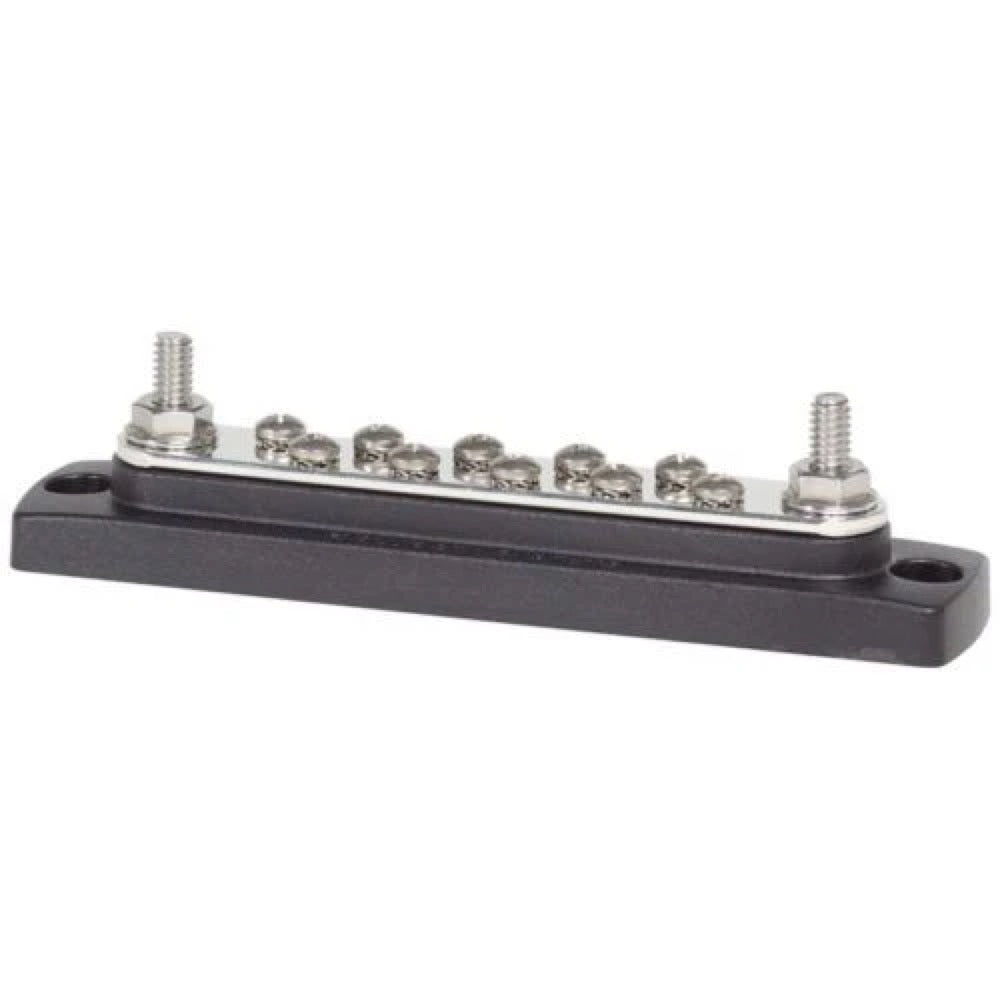
Choose your option


Alternator mode switch
Ref : 7775B-BSS
Choose your option

Mastervolt AlphaCompact 14/120 MB N62 mounting kit
Ref : 46214123
Choose your option


Alpha 24 V 150 A EVO Alternator with Alpha Pro III
Ref : 48624152
Choose your option


Alpha 12/130 III alternator incl. Alpha Pro III
Ref : 48612130
Choose your option


Kit de 6 bagues d'isolation pour alternateur Alpha Compact 28/150 et 28/110
Ref : 48420242
Choose your option

Multi-groove pulley (8) Ø 56 mm
Ref : 48420140
Choose your option


Multi-groove pulley (6) for Alpha 24/110 and Alpha 24/150
Ref : 48400030
Choose your option

Alpha 24 V 110 A Alternator
Ref : 48224110
Choose your option


Alpha Compact 28/110 Alternator with Alpha Pro III
Ref : 46628110
Choose your option


Alpha Compact 14/200 Alternator with Alpha Pro III
Ref : 46614200
Choose your option


Alpha Compact 14/120 Alternator with Alpha Pro III
Ref : 46614120
Choose your option
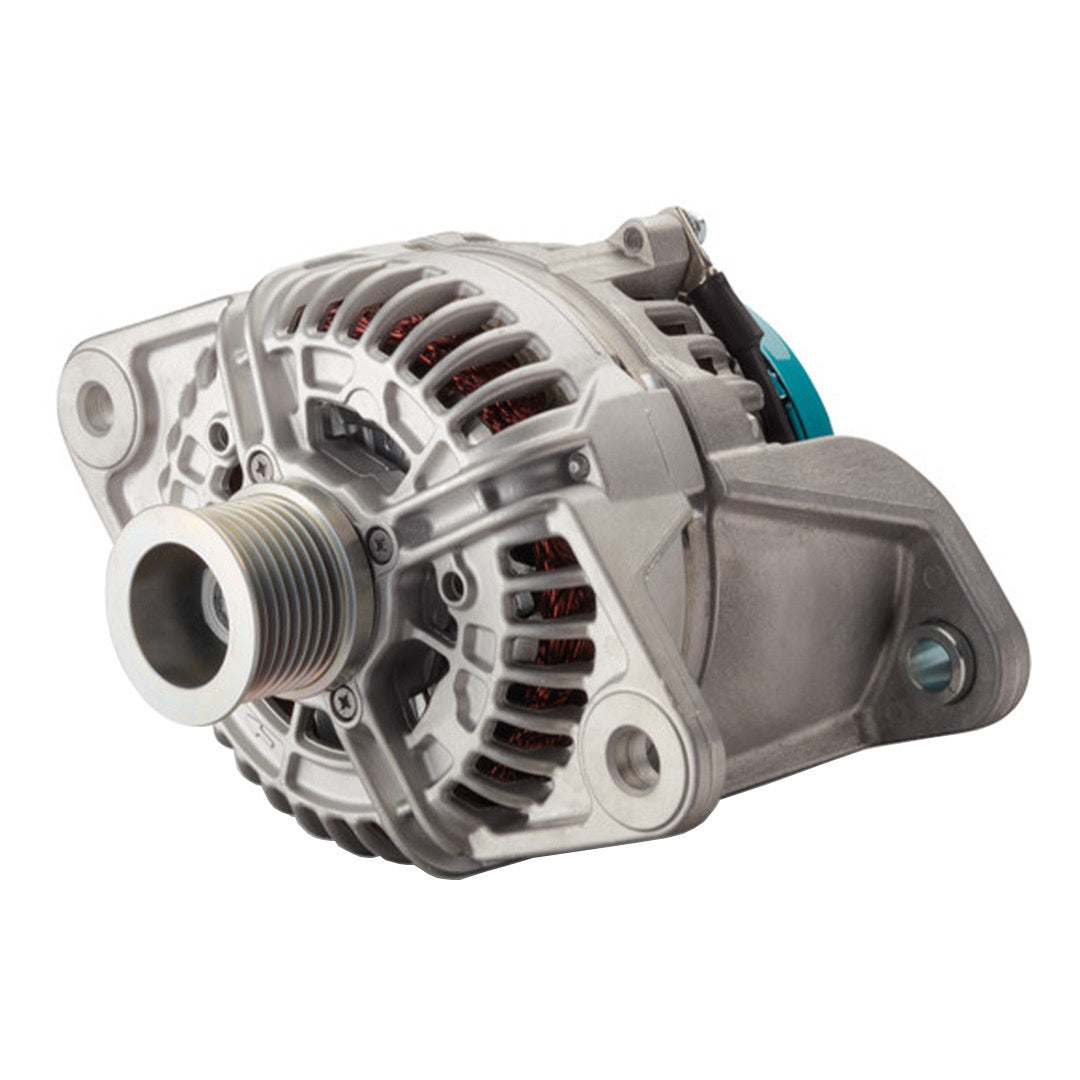

Alpha Compact 28/150 Volvo Penta alternator
Ref : 46228152
Choose your option
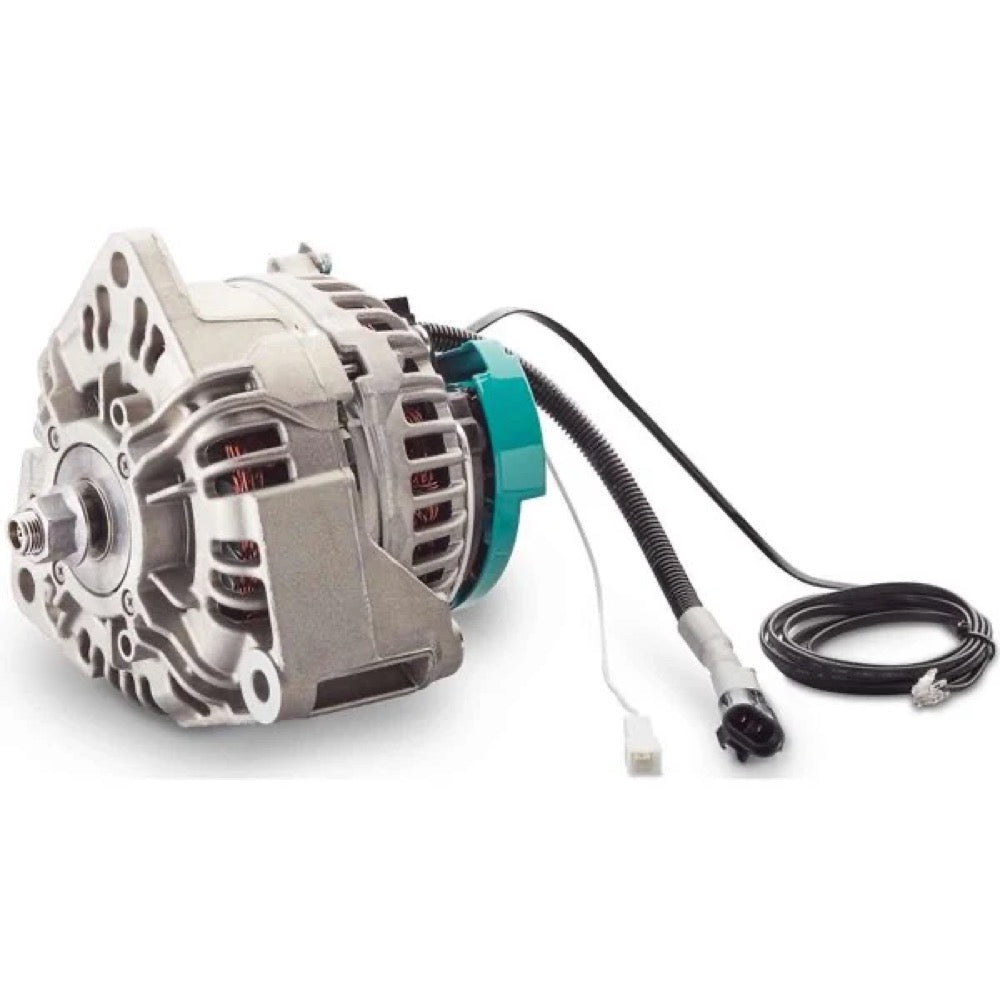

Alpha Compact 28/110 VP Alternator
Ref : 46228112
Choose your option


Alpha Compact 28/110 Alternator
Ref : 46228110
Choose your option


Alternator temperature sensor 2 m cable
Ref : 41500400
Choose your option


Alpha Compact 14/140 VP Alternator with Alpha Pro III
Ref : 46614142
Choose your option


Alpha Compact 28/150 alternator (without pulley)
Ref : 46228150
Choose your option
Learn more
Marine alternators: generating power with the engine
The alternator turns the engine into a charging source for the battery bank. On a modern boat, it's not just about replacing an engine part: the alternator must be compatible with the system voltage, battery bank capacity, battery type, regulator, engine compartment ventilation, and belt drive.
12V or 24V: based on the onboard architecture
The first criterion is system voltage. A 12V boat is not sized the same way as a 24V installation, and the rated current does not tell the whole story: actual power also depends on voltage, engine RPM, and the alternator's ability to sustain charging over time.
For a 12V system, the Alpha 12/130 III alternator with Alpha Pro III regulator provides a complete solution with external regulation. Compact models like the Alpha Compact 14/120, Alpha Compact 14/140 VP, or Alpha Compact 14/200 address different power, space, and engine mounting constraints.
24V alternators and high-capacity battery banks
24V systems are common on power-hungry boats or heavier electrical architectures. They reduce current for a given power, but require strict compatibility between alternator, regulator, wiring, batteries, and protections.
In this range, the Alpha 24V 110A, Alpha 24V 150A EVO with Alpha Pro III, Alpha Compact 28/110 with Alpha Pro III, and Alpha Compact 28/150 with Alpha Pro III regulator cover most high-capacity charging needs.
External regulation and battery type
A powerful alternator with poor regulation can charge too slowly, overheat unnecessarily, or stress batteries. The external regulator adjusts voltage and charging strategy to the installed bank. This is especially important with AGM, gel, or lithium batteries, which have different thresholds and behaviors than open-lead batteries.
The Alpha Pro III charge regulator optimizes alternator charging and manages charging strategy. The alternator temperature sensor helps protect the system from overheating. To monitor the actual impact of charging on the bank, battery monitors are a useful addition.
Mounting, pulley, wiring, and protection
Mechanical compatibility is as important as power output. Check mounting type, belt alignment, pulley diameter, available ventilation, cable cross-section, and circuit protection. A slipping belt, undersized cable, or poor ground can negate the benefits of a high-output alternator.
Accessories like the Alpha Pro wiring kit, Alpha Compact insulation ring kit, the 6-groove pulley for Alpha, or the 8-groove Ø48.1 mm and 8-groove Ø56 mm pulleys help ensure a reliable alternator installation.
Before choosing
Check the system voltage, engine type, available mounting, operating RPM, battery bank capacity, battery chemistry, and space in the engine compartment. Also verify wiring, protection, ventilation, and whether an external regulator is needed. To integrate the alternator into the full system, see the Production, Batteries, Storage, and Electrical collections.


