


Collection:
Computer network


HUB8 Switch 8 ports 10/100Mbps
Ref : RO-00068
Choose your option

Ethernet cable 6PF <-> RJ45 2 pairs - 5m
Ref : 00158882000
Choose your option

NETGEAR (GS308PP) 8-Port Gigabit Ethernet PoE Switch RJ45 Metal (10/100/1000)
Ref : RO-GS308PP
Choose your option


12-port Multiswitch
Ref : RO-00181
Choose your option
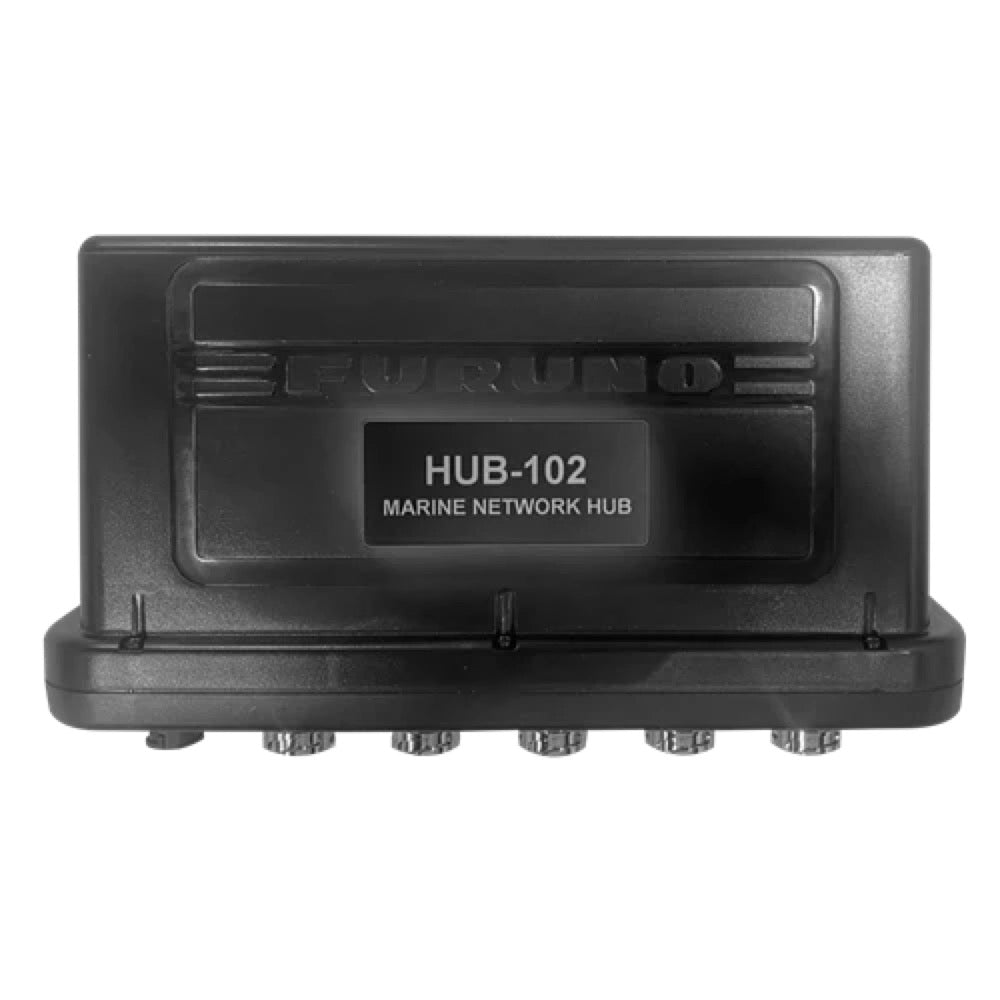

HUB102 Ethernet Hub 5 Ports Waterproof 12-24VDC
Ref : 00020133610
Choose your option


8-port Ethernet hub
Ref : 00001176200
Choose your option


RNS8 - Raynet network switch with 4x PoE
Ref : A80732
Choose your option


Raymarine RNS-5 Gigabit Network Switch
Ref : A80731
Choose your option


Skysat
NEP-3, ETH 5 PORT SWITCH, 1GBPS
Ref : 000-16008-001
Choose your option


Nemesis NMEA 2000 Concentrator
Ref : 000-15683-001
Choose your option
Learn more
Computer network: interconnect your instruments for optimized navigation
Onboard computer networks have become essential for modern and efficient navigation. They allow you to share crucial data between your instruments (navigation system, GPS, radar, AIS) and automate certain functions. At Skysat, drawing on our experience in offshore racing, we know that a reliable and high-performance network is synonymous with safety and performance. Discover the solutions we offer to interconnect your marine equipment.
Communication protocols: the language of your instruments
Understanding communication protocols is essential to ensuring compatibility and data exchange between your devices. Choosing the right protocol directly impacts the performance and reliability of your network.
- NMEA 2000: A modern standard offering high flexibility and broad compatibility between brands. It enables high-speed data transmission and is self-configuring.
- SeaTalk NG: Raymarine's proprietary protocol, based on NMEA 2000, offering optimized integration with the brand's products. Requires a SeaTalk NG backbone.
- Ethernet: For very high-speed data (radar, IP cameras). Often used to connect a navigation PC or an embedded server.
- NMEA 0183: An older protocol, still used for some equipment. Requires more complex configuration and offers limited bandwidth.
Network components: building a solid infrastructure
A high-performance network relies on quality components adapted to the marine environment. The choice of cables, connectors, and switches is crucial to ensuring reliable data transmission.
- NMEA 2000 Cables: Ensure you use NMEA 2000 certified cables for optimal performance and guaranteed compatibility. Check the maximum allowable length to avoid signal loss.
- Connectors: Choose waterproof and corrosion-resistant connectors for maximum durability. Micro (M12) connectors are the NMEA 2000 standard.
- Ethernet switches: Choose ruggedized switches suitable for marine environments (temperature, vibration, humidity). Opt for models with PoE (Power over Ethernet) to simplify powering certain devices.
- Multiplexers: Allow the merging of data from different protocols (NMEA 0183, NMEA 2000) and the distribution of data over a single network.
Wi-Fi and connectivity: staying connected at sea
Internet access at sea has become essential for weather forecasting, communication, and entertainment. Implementing a reliable connectivity solution requires a thorough understanding of the various options available.
- 4G/5G routers: These allow you to connect to terrestrial mobile networks for high-speed internet access up to several miles offshore. Reception quality will depend on the antenna and network coverage.
- Long-range Wi-Fi antennas: Improve reception of coastal and port Wi-Fi networks. Requires a Wi-Fi router to broadcast the signal on board.
- Satellite networks (Iridium, Inmarsat): Offer global coverage, but with lower data rates and higher costs. Ideal for emergency communications and weather forecasting at sea.
- Wifi access points: To extend Wifi coverage on board and connect multiple wireless devices.
💡 Skysat's advice
Before you begin installing your network, carefully map out your needs and the compatibility of your devices. A clear diagram will prevent many mistakes and make troubleshooting easier should any problems arise.


