


Collection:
Hydraulics

T4 24 V hydraulic ram
Ref : RAM-T4-24V
Choose your option


T3 24 V hydraulic ram
Ref : RAM-T3-24V
Choose your option

T2 12 V hydraulic ram
Ref : RAM-T2-12V
Choose your option

Spare kit for Ram cylinder, T3 drive
Ref : RAM-SPRS-T3
Choose your option


D.P. Check Valve
Ref : M81166
Choose your option

Hydraulic ram T0 12 V
Ref : 000-13902-001
Choose your option

T3 12 V hydraulic ram
Ref : 000-13788-001
Choose your option


Type 2 hydraulic linear actuators - 12V
Ref : E12207
Choose your option
KIT40ST16 — Quick-release kit for 40ST16 (15mm)
Ref : LE-2201557
Choose your option


40ST16 — 12 VDC, thrust 450 kg - Max. torque 100 mkg, stroke 240 mm sailboats < 44 ft
Ref : LE-2203603
Choose your option


50ST20 — Pre-assembled hydraulic ram and pump assembly
Ref : LE-2203068
Choose your option


40ST16 — 12VDC, thrust 450kg - Max torque 100 mkg, stroke 240mm sailboats < 44 feet
Ref : LE-2203066
Choose your option


EV324V — Non-reversible hydraulic pumps with adjustable flow rate - 650 cm³ - 0.3 to 3 L/min
Ref : LE-2200981
Choose your option


EV224V — Non-reversible hydraulic pumps with adjustable flow 24V
Ref : LE-2200980
Choose your option


RV224V — Reversible hydraulic ram group - 24VDC, 0.2 to 2L/min, 25A
Ref : LE-2200945
Choose your option


RV112V - 12 V Reversible Hydraulic Pump, 0.1 to 1 l/min
Ref : LE-2200843
Choose your option


50ST2024V — Linear assemblies for mechanical steering systems
Ref : LE-2203069
Choose your option


40ST1624V - 24 V Hydraulic Ram, 450 kg Thrust
Ref : LE-2203067
Choose your option


32ST16 — Linear assemblies for mechanical steering PUSH 280KG - 12V
Ref : LE-2203063
Choose your option


EV312V — Non-reversible hydraulic pumps with adjustable flow
Ref : LE-2200844
Choose your option


EV212V — Non-reversible hydraulic pumps with adjustable flow
Ref : LE-2200409
Choose your option


RV212V — Reversible hydraulic helm pump - 12VDC, 0.2 to 2L/min, 25A
Ref : LE-2200410
Choose your option


ORB pump connection kit for autopilot with SteadySteer
Ref : 000-15949-001
Choose your option


MKII pilot pump fitting kit for Verado systems
Ref : 000-15943-001
Choose your option
![[NAVICO] Balais moteur PUMP-X (000-15858-001)](http://skysat.fr/cdn/shop/files/web-vetted-000-15858-001-320683dc.jpg?v=1780915973&width=1000)
PUMP-X motor brushes
Ref : 000-15858-001
Choose your option

PUMP-5 24 V 3.0 L Pump
Ref : 000-15447-002
Choose your option

PUMP-4 12 V 3.0 L Pump
Ref : 000-15446-002
Choose your option

Pump PUMP-2 12 V 0.8 L
Ref : 000-15444-002
Choose your option

PUMP-1 12V 0.8L Pump for Outboard Autopilot
Ref : 000-11770-002
Choose your option


Outboard Pilot steering cable kit
Ref : 000-11749-001
Choose your option

Mount for hydraulic lift (Jack plate)
Ref : 010-12106-10
Choose your option

Mechanical/hydraulic interconnect cable with SmartPump
Ref : 010-11351-40
Choose your option

Seastar Garmin Hydraulic Fittings Kit
Ref : 010-11202-03
Choose your option

Verado adapter kit
Ref : 010-11202-02
Choose your option

Compact Reactor 40 hydraulic autopilot kit with GHC 50
Ref : 010-02794-07
Choose your option

Reactor™ 40 hydraulic system kit with SmartPump
Ref : 010-00705-78
Choose your option

1.2-litre pump kit
Ref : 010-00705-64
Choose your option

2-litre hydraulic pump kit
Ref : 010-00705-63
Choose your option


Hydraulic linear actuators Type 3 - 24V
Ref : M81203
Choose your option


Hydraulic linear actuators Type 3 - 12V
Ref : M81202
Choose your option


Raymarine reversible pump T3 - 24V
Ref : M81124
Choose your option
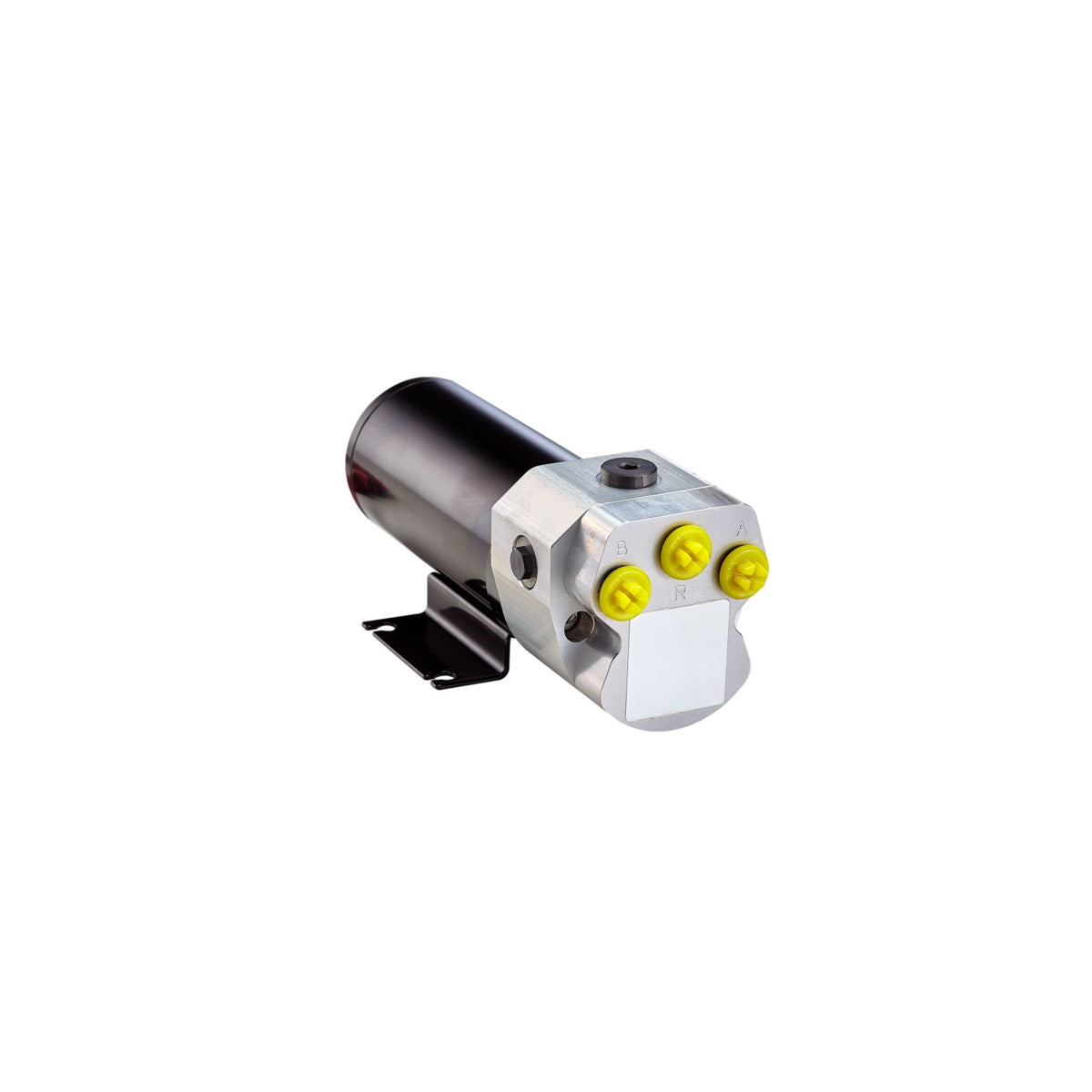

T2 - 24V reversible pump
Ref : M81123
Choose your option


Raymarine reversible pump T3 - 12V
Ref : M81122
Choose your option


T2 12V reversible pump
Ref : M81121
Choose your option


Raymarine T1 12V reversible hydraulic pump
Ref : M81120
Choose your option


Raymarine T1 24V reversible pump
Ref : M81119
Choose your option


24V Type 2 Linear Hydraulic Rams
Ref : E12208
Choose your option


Reversible Pump T0.5 - 12V
Ref : E12139
Choose your option


Reactor™ 40 Compact Hydraulic Kit with GHC™ 50 and Shadow Drive
Ref : 010-02794-08
Choose your option


Reactor™ 40 Hydraulic Kit with SmartPump v2 and GHC™ 50
Ref : 010-02794-01
Choose your option


SmartPump v2 for Garmin Reactor™ autopilot
Ref : 010-00705-62
Choose your option

Linear actuator type 2 for GHP 12
Ref : 010-11573-00
Choose your option


Reactor™ 40 autopilot for hydraulic systems with GHC™ 50 instrument
Ref : 010-02794-00
Choose your option


Reactor™ 40 autopilot kit for hydraulic systems without GHC™ 20
Ref : 010-00705-21
Choose your option

Reactor™ 40 Compact autopilot starter pack for hydraulic steering
Ref : 010-00705-06
Choose your option


Hydraulic autopilot ram, T2, 24 V
Ref : RAM-T2-24V
Choose your option


Autopilot hydraulic ram, T1, 12 V
Ref : RAM-T1-12V
Choose your option
Learn more
Hydraulic actuators: power at the service of precision
The hydraulic actuator is the muscle of the autopilot, translating electronic commands into precise rudder movements. At Skysat, drawing on our experience in offshore racing, we know that careful selection and meticulous installation are crucial for optimal performance and unwavering reliability. Explore our selection of premium hydraulic actuators, suitable for all sailboat and powerboat configurations, and benefit from our expertise for seamless system integration.
choosing the right hydraulic actuator
The choice of a hydraulic actuator depends on several factors, including the size of the boat, the required steering torque, the type of existing hydraulic system, and installation constraints. Incorrect sizing can lead to premature wear, excessive energy consumption, and degraded autopilot performance. Here are some things to consider:
- Hydraulic capacity: Determined by the rudder travel and the operating pressure. An undersized actuator will struggle to maintain course in heavy seas.
- Actuator type: Linear, rotary, or integrated into the steering cylinder. The choice depends on the bar configuration and available space.
- Compatibility: Ensure compatibility with the autopilot computer (Raymarine, B&G, Garmin) and the existing hydraulic system (supply voltage, fluid type).
- Stroke and torque: The actuator stroke must correspond to the desired maximum rudder angle. The torque must be sufficient to counteract the forces exerted by the sea and wind.
integration and maintenance
Proper installation is essential to ensure the longevity and performance of the hydraulic actuator. This includes correctly sizing the piping, carefully bleeding the system, and protecting it against corrosion. Regular maintenance, including checking the oil level, inspecting for leaks, and replacing seals, is also crucial.
- Installation: Carefully follow the manufacturer's instructions. Correct alignment of the actuator is crucial to avoid mechanical stress.
- Bleeding: Remove air from the hydraulic system after installation or maintenance. Air can cause vibration, power loss, and sluggish pilot response.
- Maintenance: Regularly check the oil level and for leaks. Replace seals and filters according to the manufacturer's recommendations.
- Protection: Protect the actuator against corrosion and impacts. Use marine-grade fittings and piping.
leading technologies and brands
The hydraulic actuator market is dominated by a few brands renowned for their quality, reliability, and performance. These manufacturers offer solutions tailored to a wide range of boats, from cruising sailboats to luxury yachts. Here are some key technologies and brands:
- Raymarine: Robust linear and rotary actuators, compatible with Evolution computers and SeaTalk NG systems.
- B&G: High-performance actuators, designed for offshore racing and extreme navigation, compatible with H5000 systems and NMEA 2000 networks.
- Garmin: GHP Reactor actuators, incorporating SmartPump technology for optimized power consumption and quiet performance.
- Lecomble & Schmitt: French manufacturer specializing in hydraulic steering systems and custom actuators for professionals.
💡 Skysat's advice
When replacing a hydraulic actuator, take the opportunity to check the condition of the hoses and fittings. A damaged hose or a corroded fitting can compromise the reliability of the entire system and lead to a breakdown at sea.


